


Midlife, Metabolism & Making Peace with Food Again
If you're a woman in midlife, chances are your relationship with food has been shaped by decades of conflicting advice, shame-laced diet trends, and a whole lot of "shoulds."
You're not alone. And no, you're not broken.
In fact, your body might just be wiser than you think.
This post is the second part of our series on healing your relationship with food. (If you missed Part 1, you can read it here.) Today we're digging into some of the deeper mindset shifts around food, hunger, and why your body might be feeling more drained than ever.
Let's Start With This: That Number on the Scale? It's Just a Number.
Somewhere along the line, many of us absorbed the idea that our weight is a reflection of our worth. But here's a little truth bomb to start this conversation: your weight is not a confession. It's not shameful. It's not a moral failure.
It's a snapshot of how your body relates to gravity today - nothing more.
When we stop letting numbers define how we feel about ourselves, we can finally begin to untangle food from guilt and punishment. That's where real healing begins.

Diet Culture Didn't Just Steal Our Peace - It Stole Our Power
Have you noticed how diet trends cycle every few years? First fat is the villain, then carbs. Then it's meat. Then it's gluten. Then sugar. Then fruit.
The rules keep changing - but the fear stays the same.
Much of this whiplash is driven not by science, but by marketing. The same industries funding studies that demonize one food group are often the ones selling the "solution".
And it's created a generation of women who feel like they're failing every time they open the fridge.
Here's what diet culture won't tell you: your body isn't failing. It's adapting. And that hunger you feel? It's not weakness. It's wisdom. A signal that something is missing - and not just in terms of calories, but nutrients. Water. Protein. Fiber. Minerals. Real nourishment.
Our bodies are crying out not for restriction, but for restoration.
What if Your Body Has Never Betrayed You?
If you've ever felt like your body just doesn't respond the way it used to - even when you do "everything right" - you're not imagining it.
Many of us were taught to count, log, restrict, and punish our way to health. And when that didn't work? We blamed ourselves.
But what if your body wasn't fighting against you - what if it was protecting you?
Fatigue, cravings, bloating, anxiety - these aren't signs of betrayal. They're signals.
Your body is a living, remembering organism that's been adapting to years of stress, dieting, and disconnection.
You don't need to control it harder. You need to hear it better.
Listening to Hunger Without Fear
Let's flip the script: instead of asking, "How do I get rid of this craving?" try asking, "What is my body asking for right now?"
Are you craving something sweet? Crunchy? Comforting? Energizing?
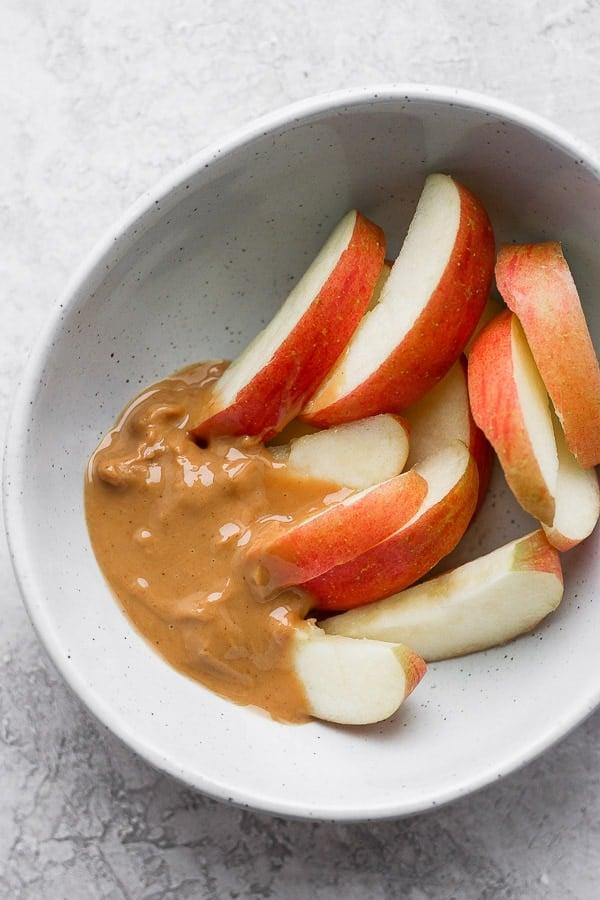
When we pause long enough to ask a better question, we give ourselves the chance to respond with kindness. To pair that brownie with some protein or fiber. To choose the apple and almond butter not because we "should," but because it satisfies the need in a way that fuels us.
Because yes, you can treat yourself. And you can do it without the shame spiral.
Glucose, Energy & The Real Reason You Might be Feeling Drained
If your energy feels all over the place lately, you're not imagining that either.
Midlife is a time when hormones shift, sleep can be interrupted, and our metabolism changes. But one of the biggest culprits of low energy is unstable blood sugar - the glucose rollercoaster.
When you go too long without eating, or when your meals lack the building blocks (protein, fiber, healthy fat), your body scrambles to keep up. And that's when the crash hits.
A simple rhythm to help: Fuel first, treat later.
And by "fuel," I mean real food. Nourishing, stabilizing, satisfying food that gives your cells what they actually need to function.
This small shift can have a big impact on energy, mood, and even how intense your cravings feel.
This Week's Invitation: Partner with Your Body
You don't need to have all the answers.
You just need to pause long enough to ask a new question:
What does my body need today?
Not in a vague, lofty way - but in real time. Is she tired? Thirsty? Overstimulated? Underfed?
This is how we rebuild trust: not with rules, but with relationship.
And the good news? You don't have to do it alone.
Want More Support?
If you want to go deeper with this work, I created a free workbook that pairs with this series. You can download it inside our private Facebook group, where I also host weekly livestreams.
And if you missed last week's post (Part 1), you can catch up right here.
We're in this together, friend. Your body isn't broken. She's brilliant. And she's been waiting for you to listen.
Next week? We're driving into cravings, hunger, and fullness - and what it really means to make peace with your appetite. I hope you'll join me.
Much love,

Want to Join Us Live?
You're invited to hang out with us every Wednesday at 1:30pm CST for our weekly livestream!
Just join the Facebook group to watch live, grab the free workbook that goes with each session, and be part of a community of women making life beautiful again—together.
Missed it live?
You can always catch the video replay on YouTube or listen in on your favorite podcast platform (just click below).
Frequently Asked Questions
1. Why is my metabolism slowing down in midlife?
As we move through midlife, hormonal shifts—especially changes in estrogen—can impact how our bodies process energy. But it’s not just hormones.
Years of dieting, under-eating, stress, and inconsistent nourishment can also slow things down.
The good news? When you start consistently fueling your body with protein, fiber, healthy fats, and enough overall nourishment, your body can begin to feel safe again—and that’s when things start to shift.
2. How can I improve my relationship with food after years of dieting?
Start small. This isn’t about flipping a switch—it’s about rebuilding trust.
Instead of asking:
“What should I cut out?”
Try asking:
“What does my body need right now?”
Begin with curiosity instead of control.
Pay attention to hunger, energy, and satisfaction.
Over time, this helps you move from rules → to awareness → to trust.
3. Why do I feel more tired and hungry than I used to?
This is incredibly common in midlife—and often misunderstood.
If your meals are missing key nutrients (like protein or fiber), or if you’re going long stretches without eating, your blood sugar can spike and crash.
That rollercoaster can lead to:
Energy dips
Strong cravings
Feeling constantly hungry
It’s not a lack of discipline—it’s your body asking for more stable support.
4. Do I need to stop eating sugar or carbs to feel better?
No—and for many women, that approach actually makes things worse.
Cutting out entire food groups can increase cravings, stress, and feelings of restriction.
Instead, focus on balance.
For example:
Pairing carbs with protein or fiber can help support your blood sugar and keep your energy more stable—without needing to eliminate foods you enjoy.
5. What does “fuel first, treat later” actually mean?
It’s a simple rhythm—not a rule.
It means giving your body what it needs before adding what you want.
For example:
Instead of eating a treat on an empty stomach, you might first have a meal or snack with protein, fiber, or healthy fats—then enjoy your treat.
This helps:
Support your energy
Reduce crashes
Remove guilt around food
You’re not taking anything away—you’re adding support.
6. How do I know if I can trust my hunger signals again?
If you’ve spent years ignoring hunger (or trying to control it), it can feel confusing at first.
But your body hasn’t forgotten—it just needs consistency.
When you:
Eat regularly
Include nourishing foods
Stop labeling foods as “good” or “bad”
Your hunger cues begin to regulate again.
Trust isn’t instant—but it is rebuildable.
7. Is it normal to feel disconnected from my body in midlife?
Yes! Many women in midlife feel like their bodies have suddenly changed without a clear roadmap.
But often, that disconnection didn’t start in midlife—it started years ago through dieting, stress, and learned habits of ignoring your body’s signals.
The beautiful part?
You can reconnect at any stage. It just starts with slowing down and listening again.
8. What’s the first step to making peace with food?
Start here:
Pause before you eat and ask:
“What am I really needing right now?”
That one small shift can begin to change everything:
How you respond to cravings
How you nourish your body
How you feel after eating
You don’t need a perfect plan. You just need a better question.