

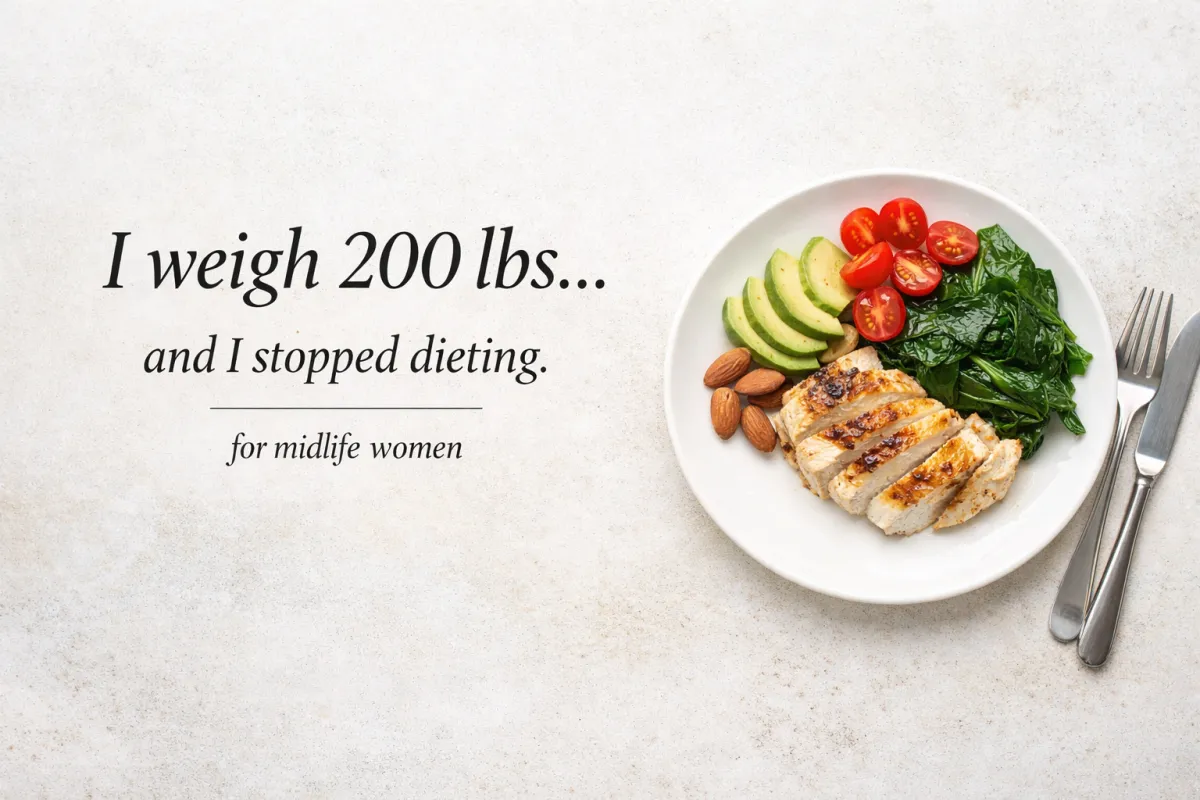
The Anti-Diet Approach That Actually Works (No Willpower Needed)
Let's just start with the part most people wouldn't dare say out loud: I weigh 200 lbs.
Yep. And I've healed my body from over 13 years of chronic illness. My labs are finally in range. My hormones are more balanced than they've ever been. I'm stronger. More energized. More at peace. And yet... the scale didn't move the way I thought it would.
In fact, it barely moved at all.
Five pounds. That's it. And let's be honest - most of that was water weight.
So what did I do next? I tried to hustle harder. I counted macros. Went low carb. Intermittent fasted. Doubled down on workouts. I kept thinking, "There must be something wrong with me."
But the more I pushed, the more my body pushed back.
Until one day, I stopped.
I stopped dieting. I stopped hustling. I stopped thinking that I was a problem to be fixed.
And that changed everything.
Because here's the thing: if you're a woman in your 40s or 50s, and your body isn't responding the way it used to - It's not you. It's the diet.
Chances are, you've already tried keto, Whole30, intermittent fasting, and maybe even that "clean eating" plan that made you want to scream into a salad bowl. And still... you're here. Tired. Frustrated. Wondering why nothing sticks.
So here's a thought: Maybe the solution isn't another diet. Maybe what your body really needs is for you to go back to the basics. To stop fighting with food and start listening to what your body's been trying to tell you all along.
Why Diets Don't Work for Midlife Women
As we move through perimenopause and beyond, our bodies change - a lot. Hormones shift. Our metabolism adapts. Our stress levels often skyrocket. And yet, diet culture keeps handing us one-size-fits-all solutions that completely ignore those facts.
The result? Restriction, guilt, yo-yo weight, and a constant feeling of failure.
Here's the truth: Midlife isn't the time to shrink yourself. It's the time to support yourself.
That means fueling your body for energy, mood, hormone balance, and brain health. And that starts with understanding what your body is actually made of.
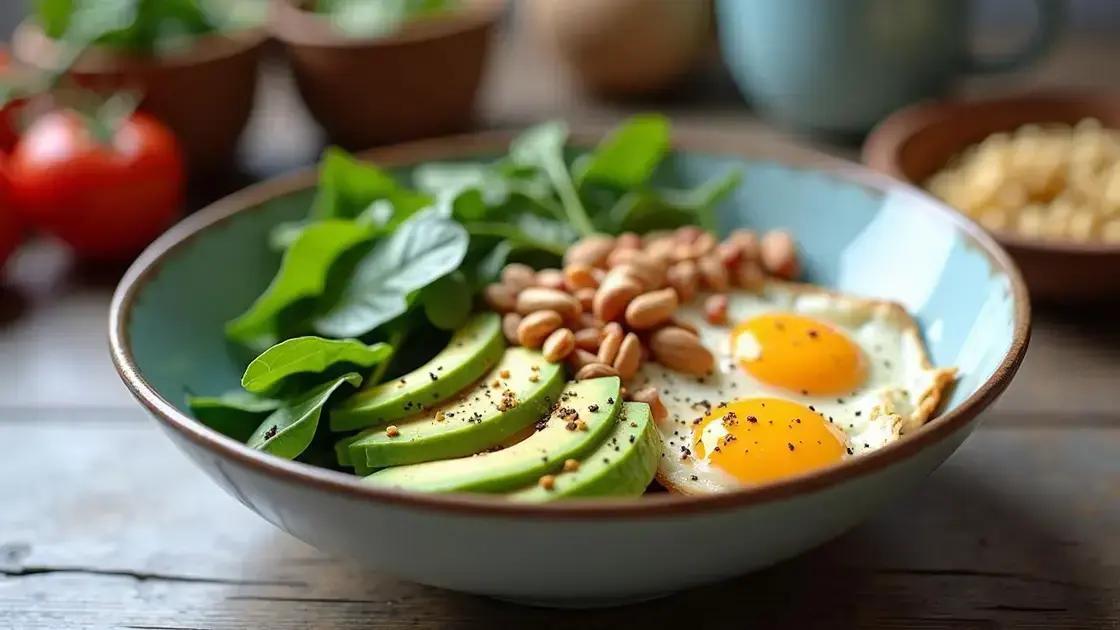
What Your Body Really Needs (No Complicated Plan Required)
You don't need a spreadsheet of macros to get this right. Just a basic understanding of how your body functions:
Water: Your body is 60-70% water. Hydration supports digestion, skin health, joint function, and even focus. Start here.
Protein: You need it daily for your muscles, hormones, enzymes, and immune system. No, this isn't just for bodybuilders.
Healthy Fats: Your brain is nearly 60% fat. Healthy fats support hormone production and reduce inflammation.
Fiber: This feeds your gut bacteria (aka your microbiome), helps with digestion, and keeps blood sugar steady.
Micronutrients: These little spark plugs (vitamins and minerals) affect everything from energy to sleep.
The Microbiome: You're more bacteria than human! A diverse, fiber-fed microbiome impacts immunity, mood, and hormone balance.
This is the foundation, When you understand this, you can stop obsessing over carbs vs. calories and start asking: "What does my body need to feel supported today?"
The Shift That Changes Everything: Fuel First, Treat Later
Let's talk cravings.
If you've ever felt addicted to sugar or salty snacks, you're not weak - you're human. Food today is engineered to hijack your brain. It's not a willpower issue.
The solution? Don't start by cutting things out. Start by adding in.
This is what I call: Fuel First, Treat Later.
At each meal, start with:
Water
Protein
Fiber
Fat
Nourish your body before you grab the cookie. What often happens is magical: once your body has what it needs, the craving fades. Or it softens. Or you still want the treat - but not all of it. And you actually enjoy it more.
This tiny shift isn't about restriction. It's about creating a rhythm that brings your body back to peace. No more battling your biology. Just gentle, steady support.
Energy, Cravings, and the Blood Sugar Rollercoaster
Here's what most women don't know: those afternoon crashes, the random anxiety spikes, and the 3pm snack attacks? They often trace back to blood sugar.
Every time you eat, your blood sugar rises and falls. But when it spikes too high (hello, banana on an empty stomach), it crashes hard - leaving you drained, irritable, and craving another quick fix.
And sometimes it's not even the usual suspects. Want to know one of the things that spikes my blood sugar? Tomatoes and bell peppers. Yep. I was shocked too. I used to pile them on my plate thinking I was doing everything right - until I realized they were secretly behind my mid-afternoon energy crashes.
It just goes to show: "Healthy" isn't always helpful if it doesn't work for your body.
These swings also affect your sleep. A crash at night triggers cortisol (your stress hormone), which can keep you wired and restless even when you're exhausted.
Balancing your blood sugar isn't about cutting sugar forever. It's about slowing the spike by fueling first. The protein, fat, and fiber you eat before a treat slows down digestion, keeps energy steady, and let's your body process sugar without panic.

Peace Is the New Willpower
When you stop depriving and start fueling, you'll notice something wild: You don't feel so out of control. You stop counting down to cheat day. You stop wondering what's wrong with you.
Because nothing is wrong with you. You just needed a rhythm that works with your biology instead of against it.
Try This, This Week
If you're curious about how this might feel in your own life, here's your mini experiment:
Start each meal with protein, fiber and fat.
Drink a full glass of water before your coffee or snack.
Notice how you feel - not with judgment, but with curiosity.
That's it.
No overhaul. No new meal plan. Just a shift in order and intention.
Want to Go Deeper?
If this approach is calling to you, I go into way more depth on the podcast and YouTube episode linked below. I also created a free workbook that helps you apply this in your real life—grab it inside the Facebook group.
Need support? I offer one-on-one coaching for midlife women who are ready to ditch the dieting cycle for good. Email me at [email protected] and let's talk.
Until then, be gentle with yourself. Fuel your body. And let peace be the new power move.
Much love,

P.S. If you try "Fuel First, Treat Later" this week, come back and tell me how it felt. I want to hear what shifted for you.
Want to Join Us Live?
You're invited to hang out with us every Wednesday for our weekly livestream!
Just join the Facebook group to watch live, grab the free workbook that goes with each session, and be part of a community of women making life beautiful again—together.
Missed it live?
You can always catch the video replay on YouTube or listen in on your favorite podcast platform (just click below).
Frequently Asked Questions (FAQ)
1. What is the anti-diet approach for midlife women?
The anti-diet approach focuses on supporting your body instead of restricting it. Instead of cutting foods out or following strict rules, you prioritize foundational nutrition—protein, fiber, healthy fats, and hydration—to stabilize energy, reduce cravings, and support hormones.
2. Why don’t diets work as well in your 40s and 50s?
Hormonal shifts during perimenopause and menopause affect metabolism, insulin sensitivity, sleep, and stress levels. Traditional diets often ignore these changes, which is why many women find that what worked in their 20s and 30s no longer delivers results.
3. Can I lose weight without dieting in midlife?
Yes—but the focus shifts. Instead of forcing weight loss through restriction, supporting blood sugar, reducing stress, and nourishing your body can create a more sustainable environment where weight can stabilize or change naturally over time.
4. What does “Fuel First, Treat Later” actually mean?
It means starting your meals with what your body needs—protein, fiber, healthy fats, and hydration—before having something sweet or indulgent. This helps reduce blood sugar spikes, minimize cravings, and improve how your body responds to food.
5. Do I have to give up sugar completely?
No. The goal isn’t elimination—it’s balance. When you fuel your body first, your cravings often decrease naturally, and your body can handle sugar more steadily without extreme spikes and crashes.
6. Why do I feel tired and crave sugar in the afternoon?
This is often tied to blood sugar crashes. If your meals are missing protein, fiber, or fat, your energy can spike and then drop quickly—leading to fatigue, irritability, and cravings for quick energy like sugar.
7. Can “healthy” foods still cause blood sugar spikes?
Yes. Even foods considered healthy—like fruit or certain vegetables—can spike blood sugar for some individuals, especially when eaten alone. Pairing them with protein, fat, and fiber helps slow digestion and stabilize your response.
8. How do I start this approach without feeling overwhelmed?
Start small. Focus on one shift: begin your meals with protein, fiber, and fat, and drink water first. Pay attention to how you feel. You don’t need to change everything at once to see meaningful results.
9. Is this approach safe during perimenopause and menopause?
Yes. In fact, it’s especially supportive during this phase of life because it helps regulate blood sugar, reduce stress on the body, and support hormone balance without extreme restriction.
10. How long does it take to notice a difference?
Many women notice improved energy, fewer cravings, and better focus within days to a few weeks. Long-term benefits—like improved sleep, mood, and metabolic health—build over time with consistency.